What 35 Years in Business Has Taught Us About Risk
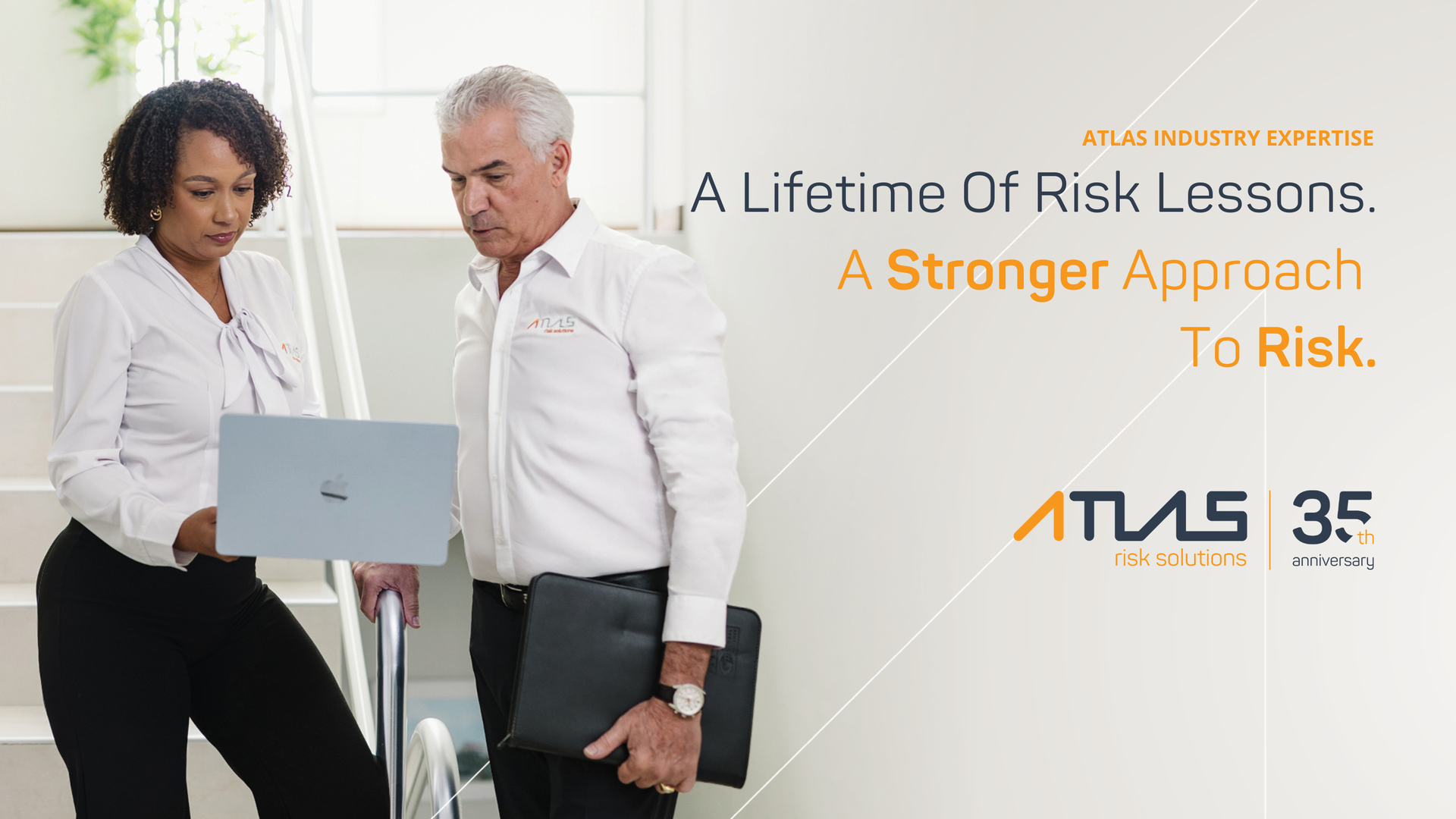
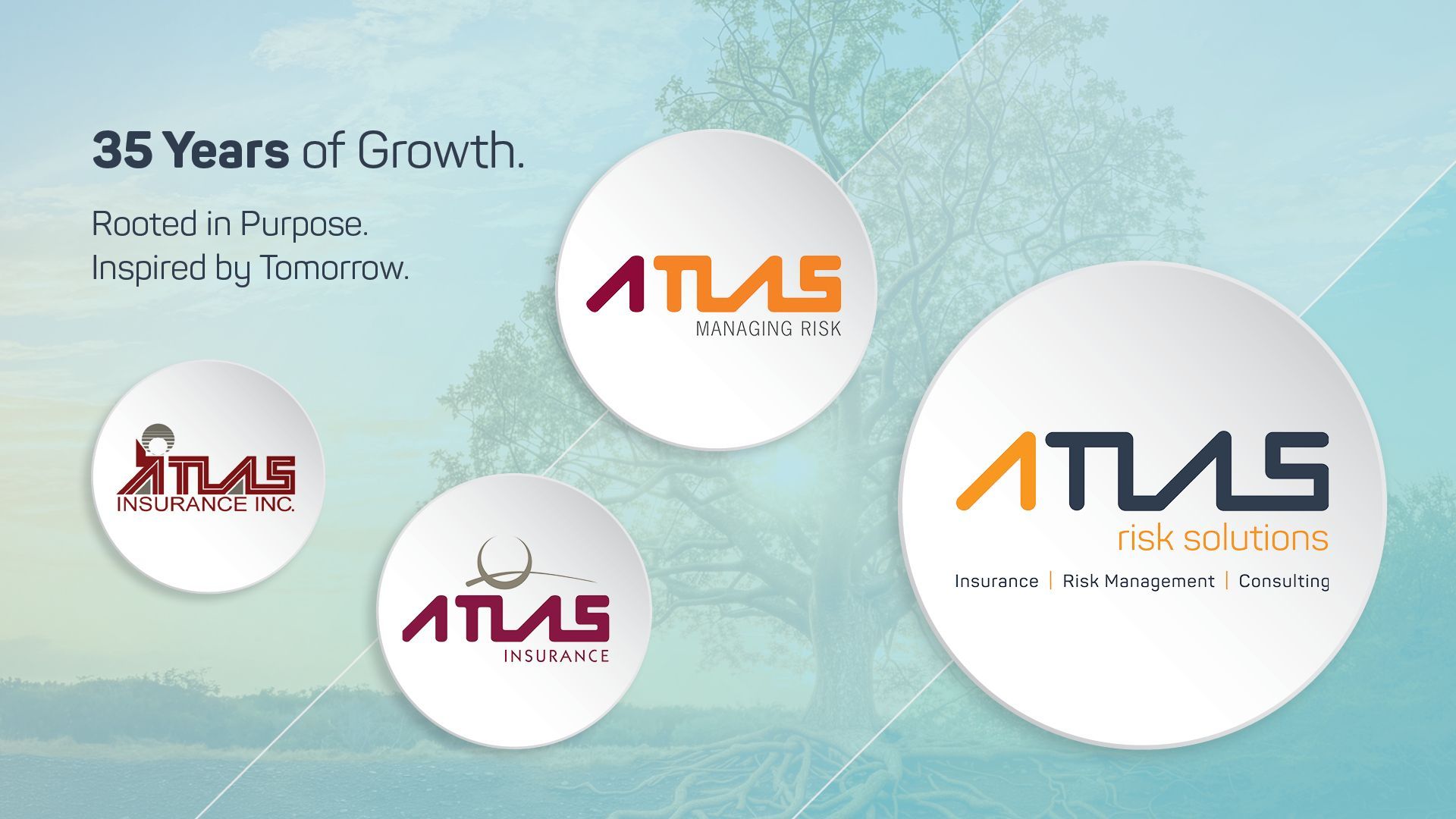
Thirty-five years is more than a milestone. It is a collection of experiences, challenges, successes, and lessons that shape not only a company, but also the way it views the world. While industries, technologies, and economies have transformed dramatically since our founding in 1991, one thing has remained constant: risk never stands still.
Neither should we.
Lesson 1: Risk Is Constantly Evolving
When we first opened our doors, business risks looked very different from those we encounter today. Traditional concerns such as fire, theft, liability, and natural catastrophes dominated conversations. While these remain highly relevant, they are now only part of a much broader risk landscape.
The definition of risk has expanded significantly and organizations today are expected to anticipate uncertainty rather than simply react to it.
Lesson 2: Insurance Alone Is Not Risk Management
For many years insurance was often viewed as the primary solution to managing business risk, but nowadays, that perspective has changed. Insurance remains an essential component, but it also represents only one part of a much broader strategy as organizations increasingly recognize the importance of:
- Identifying risks before they occur
- Preventing losses where possible
- Building operational resilience
- Developing business continuity plans
- Strengthening cybersecurity
- Regular reviewing insurance programs through Risk & Insurance Audits
- Creating a culture of risk awareness throughout the organization
In other words, successful businesses no longer ask, "What insurance do we need?"
They ask,
"How do we become more resilient?"
Lesson 3: Technology Has Changed Everything
Perhaps no area has evolved more rapidly than technology. If we compare to thirty-five years ago, where few organizations depended entirely on digital infrastructure, today, nearly every business relies on technology to operate.
Cloud computing, remote working, digital payments, automation, artificial intelligence, and interconnected systems have created tremendous opportunities.
They have also introduced entirely new categories of risk. For example, cybersecurity has evolved from being an IT issue to becoming a boardroom priority, and the challenge for organizations now is finding the right balance between embracing innovation while managing the risks that accompany it.
Technology will continue to evolve, and risk management must continue to evolve with it.
Lesson 4: Clients Expect More Than Insurance
Over the years, we have seen a noticeable shift in what clients value most. Of course, price will always matter and coverage will always matter.
But nowadays, organizations increasingly seek something more valuable: trusted advice.
Orgnizations want a partner who understands their business, challenges assumptions, advocates during claims, identifies emerging risks, and provides strategic guidance and not just insurance placement. And this evolution has reinforced something we have always believed since our very beginning: independent advice matters.
Lesson 5: Relationships Remain The Greatest Asset
Markets change, technology changes, regulations change, but people remain at the center of everything. Looking back, one of the greatest privileges has been the opportunity to build lasting relationships with clients, colleagues, insurers, partners, and communities across the Dutch Caribbean.
Many of those relationships span decades and that level of trust cannot be built overnight. It is earned through consistency, professionalism, integrity, and showing up when clients need you most and particularly during difficult moments.
In risk management, relationships matter just as much as expertise.
Looking Ahead
If the past 35 years have taught us anything, it is that uncertainty will always exist. The businesses that thrive are not necessarily those that avoid risk, they are the ones that prepare for it.
Looking ahead, we believe organizations will continue facing increasingly complex challenges:
- Greater reliance on technology and artificial intelligence
- More sophisticated cyber threats
- Climate-related risks
- Increasing regulatory expectations
- Growing emphasis on Environmental, Social, & Governance (ESG) considerations
- Higher expectations for resilience and business continuity
These developments require organizations to think differently about risk and they also reinforce the importance of having experienced advisors who can help navigate an increasingly interconnected world.
If your organization is looking to strengthen its risk management strategy, review its insurance program, or prepare for the challenges of tomorrow, the team at Atlas Risk Solutions is here to help.
Contact us today at: 📧
business@atlasrisksolutions.com