The Future of Risk in the Dutch Caribbean: 5 Trends Businesses Should Watch
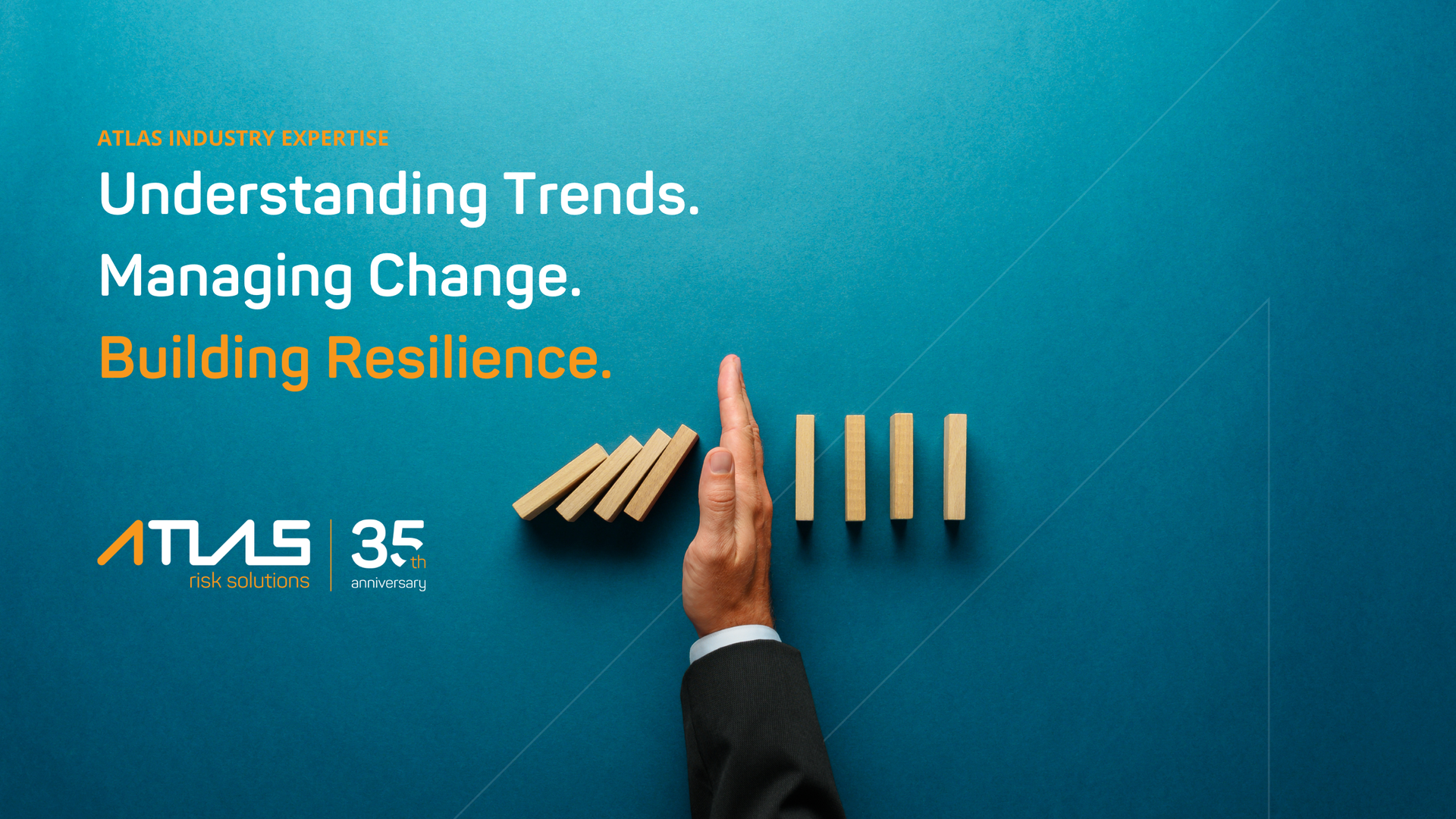
Risk is evolving faster than ever. Is your business prepared?
The business landscape across the Dutch Caribbean is changing rapidly. New technologies, evolving regulations, climate-related challenges, and shifting market dynamics are reshaping the way organizations operate and the risks they face. For businesses in the Dutch Caribbean, traditional risks such as fire, theft, and liability remain important. However, they are now accompanied by a new generation of complex and interconnected risks that require a more strategic approach. At Atlas Risk Solutions, we believe that understanding tomorrow's risks today is the first step toward building a more resilient business.
Here are five key trends every organization should be watching.
1. Cyber Risk Will Continue to Rise
Cybercrime is no longer a concern only for multinational corporations. Small and medium-sized businesses are increasingly becoming targets because they often have fewer cybersecurity resources while still holding valuable financial and customer information. Phishing attacks, ransomware, data breaches, and business email compromise continue to increase globally, and Caribbean organizations are not immune. For many businesses, the financial consequences extend well beyond restoring systems. Operational disruption, reputational damage, legal liabilities, and regulatory obligations can all have lasting impacts.
What businesses should do:
- Conduct regular cybersecurity assessments
- Train employees to recognize cyber threats
- Implement multi-factor authentication
- Develop an incident response plan
- Review cyber insurance coverage as part of an overall cyber risk strategy
Cybersecurity is no longer solely an IT responsibility, but it is a business risk that requires executive attention.
2. Climate Change Is Reshaping Business Risk
The Dutch Caribbean is no stranger to extreme weather. While hurricanes remain a major concern, businesses must also prepare for rising temperatures, heavier rainfall, coastal flooding, drought conditions, and other climate-related events. Climate change affects far more than physical assets. It can disrupt supply chains, interrupt operations, impact tourism, increase insurance costs, and create new regulatory expectations. Organizations that proactively invest in resilience are often better positioned to recover quickly when disruptions occur.
Consider reviewing:
- Business Continuity Plans
- Disaster Recovery Plans
- Property Valuations
- Flood and catastrophe exposures
- Emergency communication procedures
Preparing before disaster strikes is always more effective than responding afterward.
3. Artificial Intelligence Brings Opportunity and New Risks
AI is transforming industries worldwide. Businesses are using AI to automate processes, improve customer service, analyze data, and increase operational efficiency.
However, rapid adoption also introduces new risks. These include:
- Data privacy concerns
- Intellectual property issues
- AI-generated fraud
- Cybersecurity vulnerabilities
- Ethical and governance considerations
- Overreliance on automated decision-making
Organizations should develop clear policies regarding AI usage while ensuring appropriate oversight and governance. The question is no longer whether businesses will use AI, but how they will manage the risks associated with it.
4. Business Resilience Will Become a Competitive Advantage
Recent global events have demonstrated how quickly unexpected disruptions can affect organizations. Pandemics, geopolitical tensions, inflation, supply chain interruptions, labor shortages, and economic uncertainty have reinforced one important lesson:
Resilience matters. Businesses are increasingly shifting their focus from simply transferring risk through insurance to actively managing risk throughout their operations. Organizations with strong resilience strategies often recover faster, maintain customer confidence, and minimize financial losses.
This includes:
- Business Continuity Planning
- Scenario planning
- Diversifying suppliers
- Crisis communication strategies
- Regular risk & insurance audits
- Leadership preparedness
5. Expectations of Risk Advisors Are Changing
Today's business leaders expect more than insurance placement. They are looking for strategic advisors who understand their industry, identify emerging risks, and provide independent guidance that supports informed decision-making. Risk management is becoming an integral part of business strategy rather than a once-a-year insurance renewal discussion.
Organizations increasingly value advisors who can assist with:
- Enterprise Risk Management
- Risk & Insurance Audits
- Claims Advocacy
- Business continuity planning
- Employee benefits consulting
- Cyber Risk strategies
- Tailored insurance solutions
The Path Forward
The future of risk will not be defined by a single event or trend, it will be shaped by the ability of organizations to remain adaptable, informed, and resilient. Whether you are reviewing your insurance program, strengthening your cybersecurity posture, or developing a business continuity strategy, taking action today can make all the difference tomorrow.
If you would like to learn more, contact our team today at: 📧
business@atlasrisksolutions.com