What High-Value Clients Often Overlook in Their Insurance Portfolio


When it comes to insurance, many assume that having coverage in place means they are fully protected. For high-value clients, whether individuals with luxury homes or businesses managing multiple assets, this assumption can be costly.


Particularly in markets like ours, where property values are high and lifestyles often extend beyond a single residence, insurance needs tend to be more complex than they initially appear.


In reality, insurance is not just about having a policy. It's about having the right structure behind it.


Over the years, we have seen that even well-insured clients can have critical gaps in their portfolios, often not due to oversight, but because their insurance has not evolved alongside their assets, investments, and way of life.


Undervaluation of High-Value Properties

One of the most common and impactful gaps is the undervaluation of properties.


In island environments, reconstruction costs can fluctuate significantly due to factors such as import dependencies, labor availability, and material pricing. As a result, the insured value of a property can quickly fall behind its true replacement cost.


For luxury homes, beachfront villas, or architecturally unique properties, this gap can be substantial. In the event of a loss, being underinsured does not just mean a shortfall, but it can directly affect the ability to rebuild to the same standard.


Liability Exposure in a High-Value Lifestyle

With higher-value assets often comes increased exposure to liability.


Owning multiple properties, employing domestic staff, renting out homes on a short-term basis, or hosting guests all introduce layers of risk that go beyond standard coverage assumptions.


In today's environment, where claims can escalate quickly, standard liability limits may not be sufficient. A single incident, whether property-related or personal, can result in significant financial exposure if not properly addressed.


Short-Term Rentals & Dual-Use Properties

A growing trend among high-value property owners is the use of homes for both personal enjoyment and short-term rental.


While this can be a valuable investment strategy, it also introduces a different risk profile. Many traditional home insurance policies are not designed to accomodate rental activity, particularly when it involves frequent guest turnover.


This creates potential gaps in areas such as:

  • Third-party liability
  • Damage caused by guests
  • Loss of rental income


Ensuring that coverage reflects how the property is actually used is essential, and not just how it is classified.


Complex Portfolios, Fragmented Coverage

High-value clients often have portfolios that span multiple properties, jurisdiction, and types of risk. Over time, policies may be arranged with different insurers, at different moments, for different purposes.


Individually, each policy may appear sufficient, but collectively, however, they may lack cohesion.

This can lead to:

  • Overlaps in certain areas
  • Gaps in others
  • Inconsistent terms and conditions
  • Unclear claims pathways


A portfolio should be reviewed as whole, not as separate parts.


Insurance As A Strategic Asset

At this level, insurance should not be approached as a transactional purchase. It should be considered a strategic component of wealth and risk management.


This means:

  • Regularly reviewing asset values and exposures
  • Ensuring coverage reflects current lifestyle and usage
  • Structuring policies to complement one another
  • Anticipating risks rather than reacting to them


The objective is not simple to have coverage in place, but to ensure that it performs when it matters most.


A Different Way of Looking At Protection


For high-value clients, insurance goes beyond protection, it is about preserving what you've built, both financially and personally.


With a deep understanding of complex risk profiles and high-value assets, our team provides tailored, strategic advice designed to protect your portfolio with precision and care. We invite you to connect with us to explore how we can help support you best.


📧 Contact us today:  business@atlasrisksolutions.com


By Atlas Risk Solutions August 25, 2026
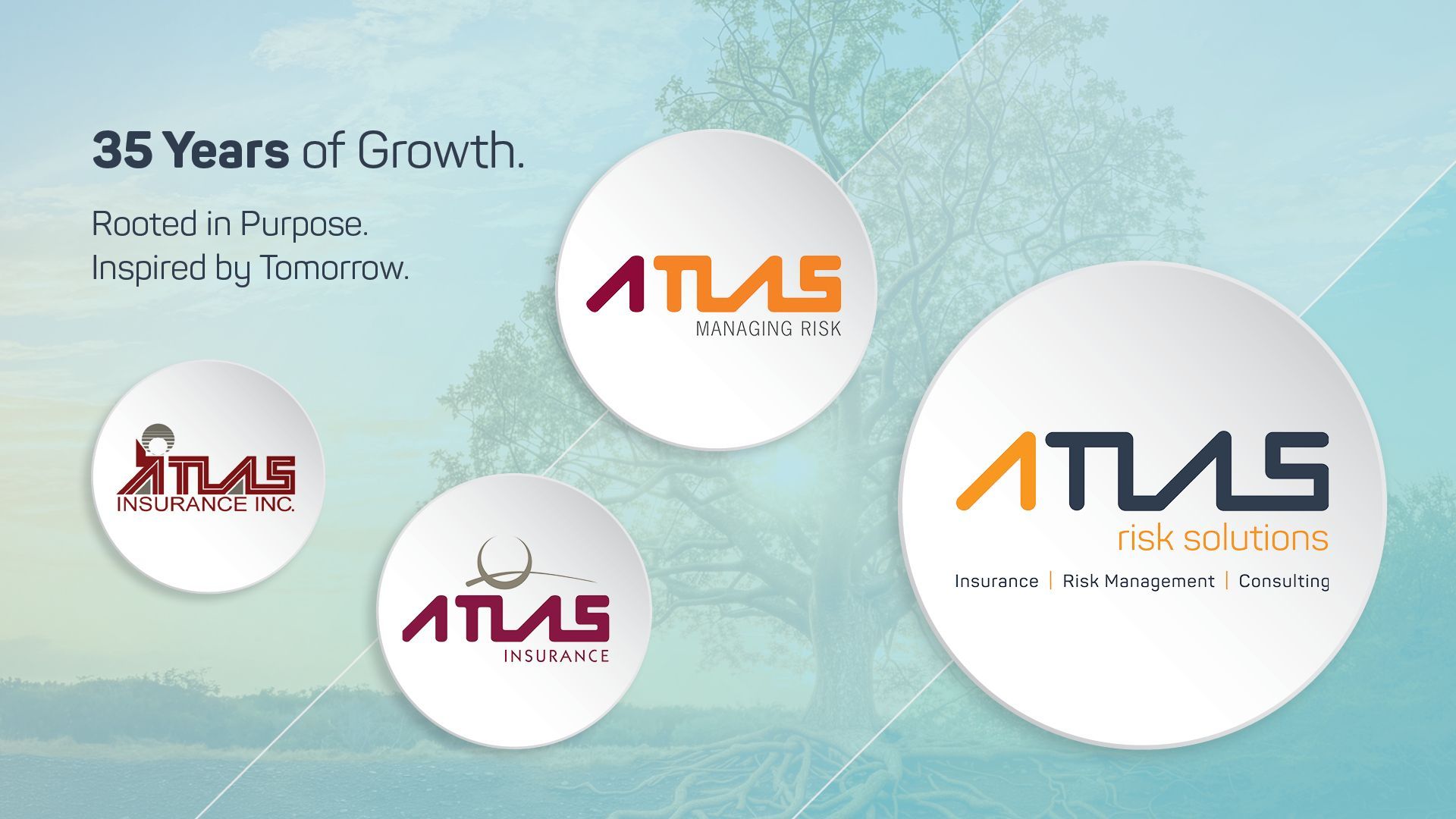
A logo is much more than a symbol. It can capture a moment in time. It can reflect where a company has been, what it stands for, and how its vision has evolved. The evolution of our logo reflects the evolution of our company itself. From our beginnings as an insurance brokerage, to the risk management and insurance advisory firm we are today, our journey has shaped by one constant: a commitment to helping our clients navigate uncertainty and p rotect what matters most. It Started with Atlas Insurance When Atlas was founded in 1991, our original logo was distinctly of its time. At its center was an abstract interpretation of a globe - an imaginative representation of an atlas , reflecting the world in which we operated and the connections between businesses, people and places. But beyond its design, that first identity represented something much more enduring: trust . At the heart of our business was the relationship between an insurance broker and its clients. Understanding their needs, providing personal service, and helping them find protection for the risks they faced, and for the clients who have been with us for decades, that first logo is more than a piece of our history. It represents where a relationship began. Atlas Insurance: Growing With Our Clients As Atlas grew, so did our identity and the next chapter brought a more refined Atlas Insurance identity. The design evolved, but the purpose remained familiar: helping individuals and businesses protect what they had built. By this time, our relationships with clients had become deeper and our understanding of the local business environment broader. And as the Dutch Caribbean's business landscape continued to develop, we began to see something clearly: Our clients' needs were changing. Businesses were becoming more complex and their risks were becoming more interconnected and protecting a business could no longer be viewed simply as purchasing an insurance policy. Clients needed to understand their risks before deciding how to insure them, and that realization would shape the next chapter of our journey. From Insurance to Managing Risk Those two words represented a significant evolution in our thinking. Insurance would always remain an important part of what we do, but we increasingly saw our role as something broader. We wanted to help organizations identify their exposures, understand the potential impact of those risks, and make informed decisions about how to manage them. Risk Management became an increasingly important part of our approach, and instead of asking "What insurance do you need?", we began asking, "What could put your organization at risk, and how can we help you manage it?". That shift marked the evolution of Atlas from an insurance broker toward a trusted risk management partner. Atlas Risk Solutions Today Our current logo represents the company we are today and the broader vision we have for tomorrow. The addition of "Risk Solutions" reflects the breadth of our capabilities and the way we work with organizations today. Our services extend across insurance, risk management and consulting , allowing us to support clients beyond insurance placement and into the wider process of understanding, managing and mitigating risk. Our approach is built around helping organizations make informed decisions, strengthen resilience and navigate an increasingly complex risk environment, and our perspective has grown alongside our capabilities. Today, Atlas Risk Solutions has a presence across the Dutch Caribbean, combining deep knowledge with access to international expertise. We work with organizations across a wide range of industries and that growth has not changed the foundation on which Atlas was built, it has strengthened it. Rooted In Purpose A tree grows outward, but its strength comes from what lies beneath the surface. Its roots. Our roots are in the relationships we have built, the trust our clients have placed in us and the knowledge and experience developed over decades. Those roots continue to shape our business today. The logos may have become more modern, our services have expanded, our geographic reach has grown, and the risks facing our clients have changed dramatically, but the foundation remains. Inspired by Tomorrow The risk landscape continues to evolve as businesses face new challenges from cyber threats and climate-related exposures to increasingly complex supply chains, regulatory demands and changing global markets. Our role is to evolve with them and to continue asking better questions, to bring together local knowledge and international expertise, and to help our clients prepare not only for the risks they face today, but for what may come next. That is what the evolution of our logo represents. 🌳 Rooted in Purpose. Inspired by Tomorrow. If you would like to learn more about our services, contact our team today at: 📧 business@atlasrisksolutions.com
By Atlas Risk Solutions August 11, 2026
Risk is evolving faster than ever. Is your business prepared? The business landscape across the Dutch Caribbean is changing rapidly. New technologies, evolving regulations, climate-related challenges, and shifting market dynamics are reshaping the way organizations operate and the risks they face. For businesses in the Dutch Caribbean, traditional risks such as fire, theft, and liability remain important. However, they are now accompanied by a new generation of complex and interconnected risks that require a more strategic approach. At Atlas Risk Solutions, we believe that understanding tomorrow's risks today is the first step toward building a more resilient business. Here are five key trends every organization should be watching. 1. Cyber Risk Will Continue to Rise Cybercrime is no longer a concern only for multinational corporations. Small and medium-sized businesses are increasingly becoming targets because they often have fewer cybersecurity resources while still holding valuable financial and customer information. Phishing attacks, ransomware, data breaches, and business email compromise continue to increase globally, and Caribbean organizations are not immune. For many businesses, the financial consequences extend well beyond restoring systems. Operational disruption, reputational damage, legal liabilities, and regulatory obligations can all have lasting impacts. What businesses should do: Conduct regular cybersecurity assessments Train employees to recognize cyber threats Implement multi-factor authentication Develop an incident response plan Review cyber insurance coverage as part of an overall cyber risk strategy Cybersecurity is no longer solely an IT responsibility, but it is a business risk that requires executive attention. 2. Climate Change Is Reshaping Business Risk The Dutch Caribbean is no stranger to extreme weather. While hurricanes remain a major concern, businesses must also prepare for rising temperatures, heavier rainfall, coastal flooding, drought conditions, and other climate-related events. Climate change affects far more than physical assets. It can disrupt supply chains, interrupt operations, impact tourism, increase insurance costs, and create new regulatory expectations. Organizations that proactively invest in resilience are often better positioned to recover quickly when disruptions occur. Consider reviewing: Business Continuity Plans Disaster Recovery Plans Property Valuations Flood and catastrophe exposures Emergency communication procedures Preparing before disaster strikes is always more effective than responding afterward. 3. Artificial Intelligence Brings Opportunity and New Risks AI is transforming industries worldwide. Businesses are using AI to automate processes, improve customer service, analyze data, and increase operational efficiency. However, rapid adoption also introduces new risks. These include: Data privacy concerns Intellectual property issues AI-generated fraud Cybersecurity vulnerabilities Ethical and governance considerations Overreliance on automated decision-making Organizations should develop clear policies regarding AI usage while ensuring appropriate oversight and governance. The question is no longer whether businesses will use AI, but how they will manage the risks associated with it. 4. Business Resilience Will Become a Competitive Advantage Recent global events have demonstrated how quickly unexpected disruptions can affect organizations. Pandemics, geopolitical tensions, inflation, supply chain interruptions, labor shortages, and economic uncertainty have reinforced one important lesson: Resilience matters. Businesses are increasingly shifting their focus from simply transferring risk through insurance to actively managing risk throughout their operations. Organizations with strong resilience strategies often recover faster, maintain customer confidence, and minimize financial losses. This includes: Business Continuity Planning Scenario planning Diversifying suppliers Crisis communication strategies Regular risk & insurance audits Leadership preparedness 5. Expectations of Risk Advisors Are Changing Today's business leaders expect more than insurance placement. They are looking for strategic advisors who understand their industry, identify emerging risks, and provide independent guidance that supports informed decision-making. Risk management is becoming an integral part of business strategy rather than a once-a-year insurance renewal discussion. Organizations increasingly value advisors who can assist with: Enterprise Risk Management Risk & Insurance Audits Claims Advocacy Business continuity planning Employee benefits consulting Cyber Risk strategies Tailored insurance solutions The Path Forward The future of risk will not be defined by a single event or trend, it will be shaped by the ability of organizations to remain adaptable, informed, and resilient. Whether you are reviewing your insurance program, strengthening your cybersecurity posture, or developing a business continuity strategy, taking action today can make all the difference tomorrow. If you would like to learn more, contact our team today at: 📧 business@atlasrisksolutions.com
By Atlas Risk Solutions July 28, 2026
Thirty-five years is more than a milestone. It is a collection of experiences, challenges, successes, and lessons that shape not only a company, but also the way it views the world. While industries, technologies, and economies have transformed dramatically since our founding in 1991, one thing has remained constant: risk never stands still. Neither should we. Lesson 1: Risk Is Constantly Evolving When we first opened our doors, business risks looked very different from those we encounter today. Traditional concerns such as fire, theft, liability, and natural catastrophes dominated conversations. While these remain highly relevant, they are now only part of a much broader risk landscape. The definition of risk has expanded significantly and organizations today are expected to anticipate uncertainty rather than simply react to it. Lesson 2: Insurance Alone Is Not Risk Management For many years insurance was often viewed as the primary solution to managing business risk, but nowadays, that perspective has changed. Insurance remains an essential component, but it also represents only one part of a much broader strategy as organizations increasingly recognize the importance of: Identifying risks before they occur Preventing losses where possible Building operational resilience Developing business continuity plans Strengthening cybersecurity Regular reviewing insurance programs through Risk & Insurance Audits Creating a culture of risk awareness throughout the organization In other words, successful businesses no longer ask, "What insurance do we need?" They ask, "How do we become more resilient?" Lesson 3: Technology Has Changed Everything Perhaps no area has evolved more rapidly than technology. If we compare to thirty-five years ago, where few organizations depended entirely on digital infrastructure, today, nearly every business relies on technology to operate. Cloud computing, remote working, digital payments, automation, artificial intelligence, and interconnected systems have created tremendous opportunities. They have also introduced entirely new categories of risk. For example, cybersecurity has evolved from being an IT issue to becoming a boardroom priority, and the challenge for organizations now is finding the right balance between embracing innovation while managing the risks that accompany it. Technology will continue to evolve, and risk management must continue to evolve with it. Lesson 4: Clients Expect More Than Insurance Over the years, we have seen a noticeable shift in what clients value most. Of course, price will always matter and coverage will always matter. But nowadays, organizations increasingly seek something more valuable: trusted advice. Orgnizations want a partner who understands their business, challenges assumptions, advocates during claims, identifies emerging risks, and provides strategic guidance and not just insurance placement. And this evolution has reinforced something we have always believed since our very beginning: independent advice matters. Lesson 5: Relationships Remain The Greatest Asset Markets change, technology changes, regulations change, but people remain at the center of everything. Looking back, one of the greatest privileges has been the opportunity to build lasting relationships with clients, colleagues, insurers, partners, and communities across the Dutch Caribbean. Many of those relationships span decades and that level of trust cannot be built overnight. It is earned through consistency, professionalism, integrity, and showing up when clients need you most and particularly during difficult moments. In risk management, relationships matter just as much as expertise. Looking Ahead If the past 35 years have taught us anything, it is that uncertainty will always exist. The businesses that thrive are not necessarily those that avoid risk, they are the ones that prepare for it. Looking ahead, we believe organizations will continue facing increasingly complex challenges: Greater reliance on technology and artificial intelligence More sophisticated cyber threats Climate-related risks Increasing regulatory expectations Growing emphasis on Environmental, Social, & Governance (ESG) considerations Higher expectations for resilience and business continuity These developments require organizations to think differently about risk and they also reinforce the importance of having experienced advisors who can help navigate an increasingly interconnected world. If your organization is looking to strengthen its risk management strategy, review its insurance program, or prepare for the challenges of tomorrow, the team at Atlas Risk Solutions is here to help. Contact us today at: 📧 business@atlasrisksolutions.com
By Atlas Risk Solutions July 14, 2026
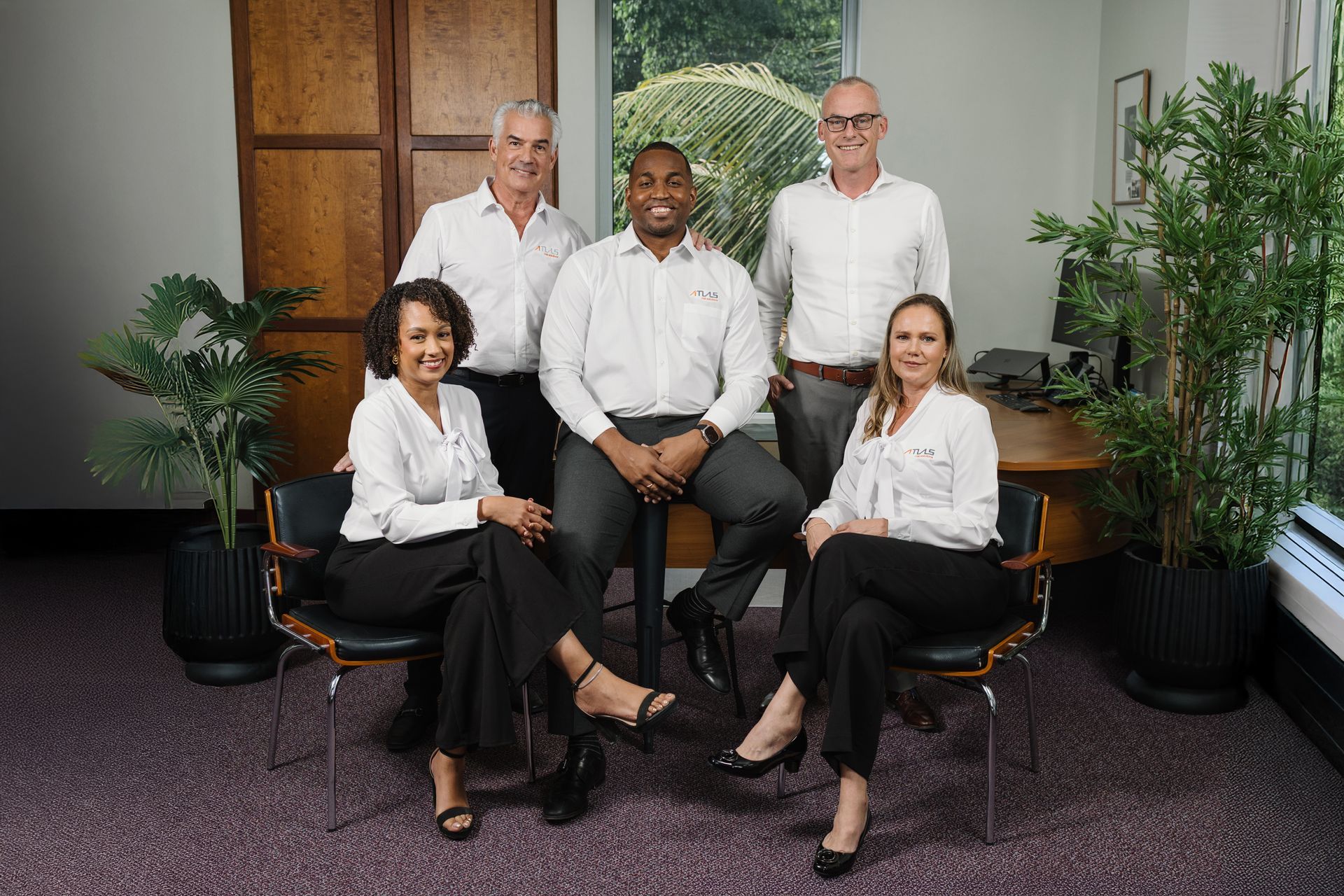
At Atlas Risk Solutions , insurance has never been just about policies. It is about understanding people, protecting businesses, and building lasting relationships based on trust, expertise, and independent advice. Behind every client conversation, renewal, risk assessment, and strategic recommendation is a dedicated team committed to delivering solutions that truly make a difference. Today, we would like to introduce the professionals who make up the heart of our Commercial Team. More Than a Commercial Team A strong commercial team is about much more than generating new business. It is about becoming a trusted partner to clients throughout every stage of their journey. Our Commercial Team works closely with businesses and individuals across the Dutch Caribbean to understand their operations, identify potential risks, and provide tailored insurance and risk management solutions that evolve alongside their needs. What makes this team unique is not only their individual expertise, but the way their diverse backgrounds complement one another. Each member brings a different perspective, specialized knowledge, and years of industry experience, allowing us to deliver well-rounded advice and exceptional client service. Together, they embody one of Atlas Risk Solutions' core principles: independent advice focused solely on our clients' best interests. Meet the Team Edgar - Managing Director As Managing Director, Edgar provides the strategic vision that has guided Atlas Risk Solutions throughout its continued growth and development. With decades of experience in the insurance and risk management industry, Edgar is passionate about building long-term relationships, developing innovative solutions, and ensuring that clients receive the highest level of professional advice and advocacy. His leadership has helped shape the company's reputation as one of the leading independent insurance brokers in the Dutch Caribbean. Nathalie - Commercial Manager Nathalie plays a key role in leading our overall commercial activities while maintaining a strong focus on client relationships and service excellence. Her ability to understand client needs, coordinate complex insurance solutions, and foster lasting partnerships makes her an invaluable member of the team. She is dedicated to ensuring every client receives personalized attention and solutions that align with their objectives. Henrich - Senior Account Manager With extensive industry knowledge and years of experience, Henrich assists clients in navigating increasingly complex risk environments. From commercial insurance programs to strategic risk discussions, he works closely with organizations to ensure their insurance arrangements remain aligned with their evolving operations. His consultative approach enables clients to make informed decisions with confidence. Marc - Director, Sint Maarten Leading our Sint Maarten office, Marc brings valuable regional expertise and a deep understanding of the local business landscape. His commitment to client service and market knowledge enables Atlas Risk Solutions to provide consistent, high-quality support throughout the northeastern Caribbean. Marc's leadership strengthens our regional presence while maintaining the personalized service our clients have come to expect. Karin - Commercial CRM Sint Maarten Behind every successful client relationship is exceptional coordination and communication. As Commercial CRM, Karin plays an integral role in supporting the team by ensuring smooth client interactions, maintaining strong communication, and helping deliver the high standard of service Atlas Risk Solutions is known for. Her attention to detail and client-focused approach contribute significantly to the overall client experience. Different Expertise. One Shared Purpose. While each team member has their own area of expertise, they all share a common goal: helping clients make informed decisions and navigate risk with confidence. By combining technical knowledge, commercial insight, and a genuine commitment to understanding each client's unique situation, the team is able to provide solutions that extend beyond insurance products, they deliver peace of mind. This collaborative approach allows us to support organizations of all sizes, across a wide range of industries, with advice that is practical, independent, and tailored to their needs. Looking Ahead As the business landscape continues to evolve, so do the risks organizations face. Our Commercial Team remains committed to staying ahead of emerging trends, expanding their expertise, and continuing to provide the strategic guidance our clients rely on. At Atlas Risk Solutions, we believe that exceptional service begins with exceptional people. We are proud of the talented professionals who represent our company every day and grateful for the trust our clients place in them. After all, great relationships are built by great people.  Would you like to learn more about how our Commercial Team can support your business? Contact Atlas Risk Solutions today and discover the value of truly independent advice tailored to your unique needs. 📧 business@atlasrisksolutions.com